
Hypothermia rates halved in babies born before arrival at hospital, new research finds


Rates of hypothermia in babies born before arriving at hospital in the South West of England have halved over the last five years, according to a new evaluation by UWE Bristol researcher Dr Laura Goodwin.
The rates have dropped following the introduction in 2024 of improvements in the recognition and management of neonatal hypothermia - prompted by two earlier research studies undertaken by Dr Goodwin.
The first study, from 2020, that found that only 2.7 per cent of babies born out-of-hospital in the South West were having their temperatures routinely recorded by paramedics. The second, from 2021, showed that over a third (35 per cent) of babies born before arrival at hospital (BBA) were hypothermic when they reached hospital.
BBA babies are unexpectedly born at home, or in a car or ambulance, often without the presence of a qualified midwife or obstetrician, and transported to hospital by the ambulance service.
In response to the findings from Dr Goodwin's studies, NHS Digital and the International Academies of Emergency Dispatch changed 999 call-handling advice for women giving birth before arriving at hospital. The findings also drove South Western Ambulance Service NHS Foundation Trust (SWASFT) to implement changes including a new record page for newborns within their electronic patient care system, updated training, delayed cord clamping, and infant warming mattresses in all frontline vehicles. A poster campaign reminded paramedics to check and maintain newborn temperatures.
An audit by SWASFT after these changes were introduced in 2024 revealed they had improved recording and management of prehospital thermal care for BBA babies, leading to a decrease in neonatal hypothermia during the prehospital episode.
Now a reaudit of hospital data – carried out in 2026 by Dr Goodwin with funding from Health Innovation South West – confirms that this decrease in neonatal hypothermia among babies born before arrival at hospital is reflected in hospital admissions, along with increases in advanced care for hypothermic babies, since these changes were made.
The project, led by Dr Goodwin, an Associate Professor in Emergency Care, used routinely collected hospital data from five NHS hospital trusts in the South West. The reaudit found 17 per cent of babies born before hospital arrived at hospital hypothermic, compared with 35 per cent in the previous evaluation, and none of these babies were severely hypothermic. Some 33 per cent more hypothermic babies received advanced care in the more recent evaluation, possibly reflecting increased recognition and escalation of care.
This halving of hypothermia rates and improvement in subsequent care is considered particularly encouraging for a rural and coastal region like the South West, where access to services and travel times are limited, presenting added challenges for babies born before arrival at hospital.
While the improvement is substantial, inequalities in neonatal temperature persist. Babies born preterm and babies of women with safeguarding concerns continue to experience higher risk of hypothermia on arrival at hospital.
"This re-evaluation is important because it provides evidence on whether changes made in practice are being reflected in clinical indicators at hospital admission. "
Dr Laura Goodwin
Dr Goodwin said: “This re-evaluation is important because it provides evidence on whether changes made in practice are being reflected in clinical indicators at hospital admission. While it is not possible to attribute changes to any single intervention, the findings are consistent with improvements in the recognition and management of neonatal hypothermia across the system.
“It also highlights where further work is needed, particularly in addressing ongoing inequalities. Vulnerable pre-term babies are always likely to become colder quicker. But other inequalities, like those around safeguarding concerns, have the potential to be tackled.”
Aimee Humphreys, Specialist Lead Midwife at South Western Ambulance Service NHS Foundation Trust, said: “As an ambulance service, we recognise the crucial importance of keeping babies warm when they are born outside of hospital. Over the past five years we have placed a strong focus on improving the care we provide to newborns, particularly those who are small and vulnerable. We have enhanced our training and guidance, upgraded our equipment, and refined our electronic patient record systems to empower our clinicians to deliver the best care possible.
“Seeing neonatal hypothermia rates halve is a testament to the hard work and commitment of so many people across our organisation - from our quality improvement and education teams to our dedicated patient‑facing staff. We welcome Dr Goodwin’s findings and are thrilled to see that we are moving in the right direction.
“While this progress is incredibly encouraging, we know there is still more work to do. We remain committed to continuing our improvements to ensure every baby born in our care has the safest possible start in life.”
BBAs account for around 0.5 per cent of UK births. Babies born outside of hospital are at risk of hypothermia and associated mortality, with pre-term babies much more likely to be hypothermic on arrival than term babies.
Previously, paramedics did not consistently record newborn temperatures following BBAs in the South West, making it unclear if most newborns were becoming hypothermic in the prehospital environment or if paramedics were just measuring temperatures of babies they thought might be cold.
Better management of hypothermia in newborns before arriving at hospital has the potential to improve outcomes and reduce inequalities in neonatal health by benefiting underserved groups.
Health Innovation South West’s support over the years has enabled Dr Goodwin to develop a programme of work focused on improving care for babies born before arrival at hospital. This has included identifying the scale of neonatal hypothermia in the South West and working closely with ambulance services and call-handling organisations to support changes in local, national and international practice.
Dr Goodwin said: “The programme of work funded by Health Innovation South West has enabled us to move beyond identifying a problem to supporting changes in practice and evaluating their impact in real-world settings.”
The new evaluation provides important evidence to inform targeted quality improvement and service development for equitable care in the South West and beyond.
The results have been shared with local and national stakeholders to inform policy, training and service planning.
For more information about this programme of work and evaluation please contact Laura.Goodwin@uwe.ac.uk.
Related news
22 October 2026
Former students’ stories celebrate 30 years of UWE Bristol’s Glenside campus
UWE Bristol alumni share their story and connection to Glenside campus marking Glenside's 30th Anniversary.

08 October 2026
Innovative new app created to help stroke patients with rehabilitation
A UWE Bristol researcher led a project to develop an innovative new app to help patients recover after having a stroke.
19 August 2026
Researcher to lead £455k body image project supporting people with head and neck cancer
A UWE Bristol researcher has been awarded almost half a million pounds to lead a project to develop a body image programme for people living with and beyond head and neck cancer.

16 July 2026
‘When I got the chance, I followed it with my heart’ – nurse graduates at the age of 64
An electronics technician who retrained as a registered nurse has graduated at the age of 64.
17 June 2026
Scientists develop low-cost tests for people with bleeding and clotting disorders
Patients with bleeding and clotting disorders living in low-income countries could benefit from new low-cost testing devices being developed at UWE Bristol.
15 June 2026
Researchers develop new approach for connecting people with substance use dependency to community support
UWE Bristol researchers have developed a toolkit to help people living with drug and alcohol dependency access community services that support their long-term health and wellbeing.
02 June 2026
International conference on body image and appearance research set to be staged in Bristol
Leading experts from across the globe are preparing to travel to Bristol for a major conference dedicated to body image and appearance research.
02 April 2026
New NIHR Senior Investigator reflects modern research leadership
Professor Nicola Walsh, Professor of Knowledge Mobilisation and Musculoskeletal Health, has been announced as a Senior Investigator by the NIHR.
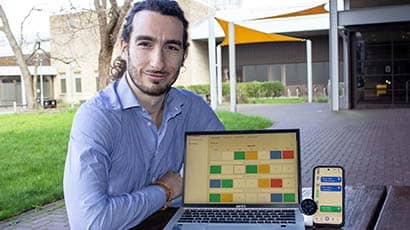
17 March 2026
Researcher develops new digital tool for people with anxiety disorders
A UWE Bristol researcher is developing a new digital tool to help people with anxiety disorders.

10 February 2026
Work by UWE Bristol lecturer features in Government’s National Cancer Plan
Work by a UWE Bristol academic has been included in the Government’s National Cancer Plan.
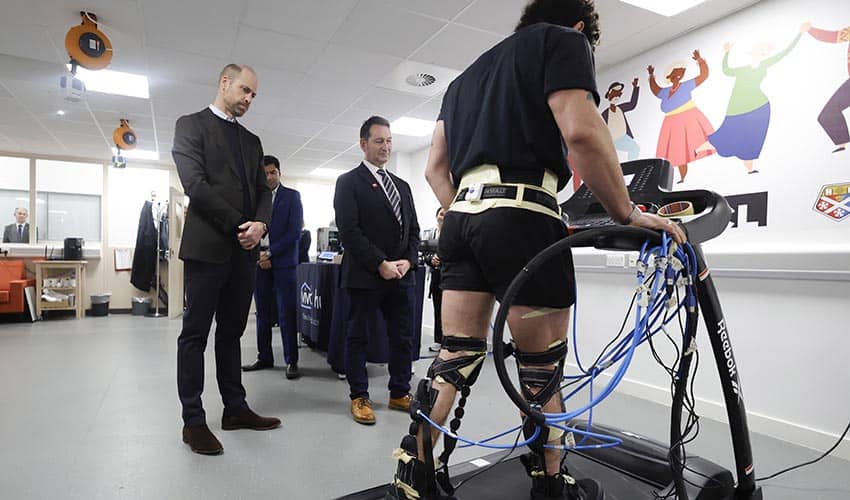
22 January 2026
Prince of Wales visits UWE Bristol to see pioneering robotic tech tackling societal health challenges
The Prince of Wales visited the Bristol Robotics Laboratory (BRL) at the University of the West of England’s (UWE Bristol) Frenchay campus today (22 January 2026) to learn about the pioneering robotic technologies being developed to help the ageing and disabled population maintain mental and physical wellbeing and remain independent for longer.
21 January 2026
Dementia support groups developed by professor adopted across globe
A programme started by a UWE Bristol academic to provide emotional and practical support for people with dementia is now being adopted around the world.
You may also be interested in

Media enquiries
Enquiries related to news releases and press and contacts for the media team.
Find an expert
Media contacts are invited to check out the vast range of subjects where UWE Bristol can offer up expert commentary.
Research
Our active, collaborative research community of bold, original thinkers break boundaries, immerse themselves in the now and open the way to new futures.
School of Health and Social Wellbeing
The School of Health and Social Wellbeing is home to all our courses and research related to this varied and rewarding sector.