
Researcher to lead £455k body image project supporting people with head and neck cancer


A UWE Bristol researcher has been awarded almost half a million pounds to lead a project to develop a body image programme for people living with and beyond head and neck cancer.
Dr Helena Lewis-Smith, Associate Professor of Psychology, has received £455,313 from the Medical Research Foundation to develop a psychosocial programme as part of a three-year project starting next month.
Head and neck cancer affects nearly one million people worldwide each year, including around 12,800 in the UK. Treatment often profoundly alters appearance and essential functions such as speech and swallowing, resulting in significant body image concerns.
Those living with and beyond head and neck cancer currently have limited access to tailored psychological support despite being a high-need group. Up to 89 per cent of individuals experience body image distress, which is linked to higher anxiety, depression, social withdrawal and poorer quality of life. Suicide risk is also elevated among this group compared with other cancer survivor groups.
The new psychosocial programme that will be developed during the project will be co-produced with individuals with lived experience, clinicians, and head and neck cancer support organisations.
Dr Lewis-Smith, an academic in the Centre for Appearance Research, will collaborate on the project with academics and clinicians from the University of Liverpool, Ulster University, and NHS trusts around the UK, as well as a group of experts by lived experience.
The project team will bring together existing evidence and insight from lived experience to identify the key drivers of body image concerns. This will inform the development of a new psychosocial programme designed to be meaningful, acceptable and relevant to patients.
The resulting body image programme has the potential to be a scalable, cost-effective model, extending tailored psychological support to a currently underserved group.
Dr Lewis-Smith said: “Body image distress after head and neck cancer can shape everything from whether someone feels able to eat out in public, to maintaining relationships, to leaving the house at all. Yet clinicians often avoid raising it, unsure how to help or where to refer, and body image simply isn't given much attention in head and neck cancer care - so many patients don't feel their own concerns are valid enough to raise. This project will finally give us a dedicated, evidence-based programme to offer.”
Related news

02 June 2026
International conference on body image and appearance research set to be staged in Bristol
Leading experts from across the globe are preparing to travel to Bristol for a major conference dedicated to body image and appearance research.
16 July 2025
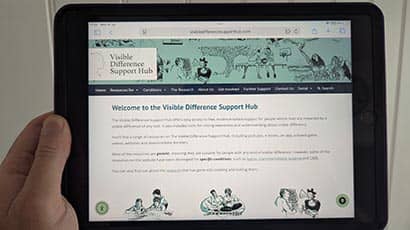
Researchers launch support hub for people with visible differences and their families
A first of its kind website offering evidence-based psychological support for people with visible differences and their families has been launched by university researchers.
30 January 2025
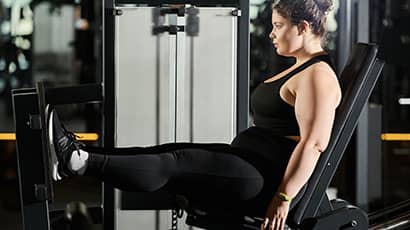
Women exercising in gyms face barriers including body image and harassment, study finds
Women exercising in gyms often feel judged for their appearance and performance, leading to a persistent sense of inadequacy, according to a new study.
15 November 2024
Global body confidence education project supported by UWE Bristol reaches 20 year milestone
A global initiative supported by UWE Bristol to build body confidence and self-esteem for the next generation of young people has celebrated its 20th anniversary.
24 May 2024
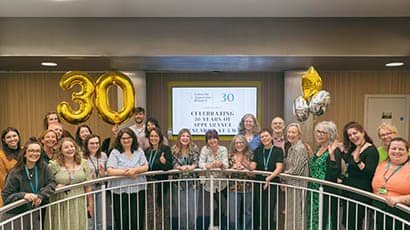
Impact of world-leading Centre for Appearance Research celebrated on 30th anniversary
It has grown from two researchers and a PhD student to become what is considered the largest research centre in the world focussed on appearance and body image. Now the Centre for Appearance Research (CAR) has celebrated its 30th anniversary.
22 May 2024
Psychology researchers set to stage world’s only international conference on appearance and body image
Researchers from UWE Bristol are getting ready to stage the world’s only international conference focused on issues around appearance and body image.

16 August 2023
New director appointed at UWE Bristol’s Centre for Appearance Research
UWE Bristol has appointed Professor Elizabeth Daniels as Director of its Centre for Appearance Research.
22 September 2021
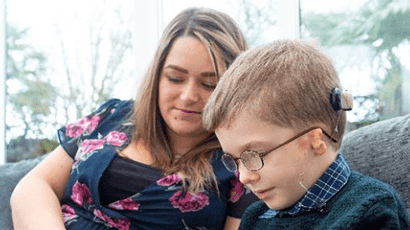
Global study looks to improve lives of individuals with congenital condition
A major five-year study led by researchers at UWE Bristol and Seattle Children’s Hospital looks to improve care for people with craniofacial microsomia.
08 July 2021
World-leading conference to explore the impact of COVID on body image
Leading academics from around the world will meet next week to discuss how the COVID pandemic has affected issues around body image and appearance.
28 June 2021
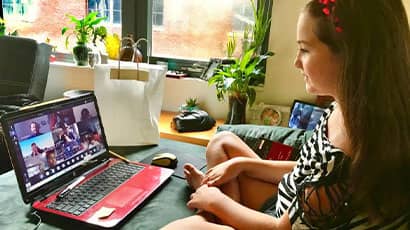
Researchers seek 2,000 young people for new study into appearance and body image
Researchers at the Centre for Appearance Research (CAR) at UWE Bristol are looking for young people to take part in a research about body image.
26 May 2021
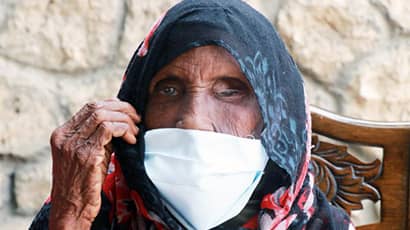
Somali people with visible facial differences sought by researchers for new study
Researchers at the Centre for Appearance Research (CAR) are looking for Somali people to take part in a new research study.
12 March 2021
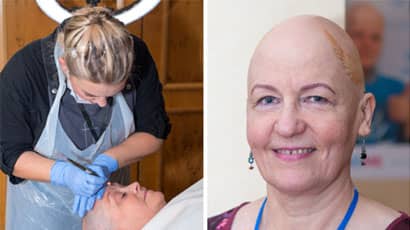
Study explores women's experiences of medical tattooing
A recent study by the Centre for Appearance Research at UWE Bristol has explored women's experiences of medical tattooing.
You may also be interested in

Media enquiries
Enquiries related to news releases and press and contacts for the media team.
Find an expert
Media contacts are invited to check out the vast range of subjects where UWE Bristol can offer up expert commentary.
School of Social Sciences
If you want a career in social sciences, our inspiring courses will teach you to apply what you've learnt so you can start making a difference as soon as you graduate.
Centre for Appearance Research (CAR)
High-quality and innovative research that creates and promotes knowledge and understanding about the psychosocial and cultural aspects of appearance.