
Expert warns Black Friday creates ‘almost perfect conditions’ for online fraudsters


Shoppers are being warned that traditional signs of online scams can no longer be relied upon, as fraudsters are using AI to create increasingly convincing adverts, websites and messages.
Dr Jonathan Gilbert, Lecturer in Law at UWE Bristol is urging consumers to take extra care when shopping online this Black Friday, warning that the commercial event creates “almost perfect conditions” for fraudsters.
Dr Gilbert said: “The combination of consumers actively searching for unusually low prices, as well as being encouraged to act quickly before a deal disappears can make them particularly vulnerable to scams.
“Fraudsters understand this and exploit urgency, scarcity and 'FOMO’, otherwise known as fear of missing out. The National Cyber Security Centre identifies all three as features commonly exploited by online scammers*. Fake retail websites, adverts and messages can also look increasingly convincing. Criminals use AI to produce professional-looking content at scale, meaning that poor spelling or amateur website design are no longer reliable warning signs.”
The warning comes as online fraudulent advertising remains widespread. Ofcom reports that 51% of online adults say they have encountered a potentially fraudulent advert, with 36% seeing them frequently. UK victims are estimated to lose more than £200 million a year to scams originating from fraudulent advertising. **
"Fake retail websites, adverts and messages can also look increasingly convincing. Criminals use AI to produce professional-looking content at scale, meaning that poor spelling or amateur website design are no longer reliable warning signs."
Dr Jonathan Gilbert, Lecturer in Law
Dr Gilbert recommends the following to consumers when shopping for Black Friday deals:
- Pause before buying: Be wary when an offer creates pressure to make an immediate decision.
- Check unfamiliar retailers independently: Search for the company rather than relying solely on information contained within an advert.
- Check the web address carefully: Rather than clicking links in unsolicited emails, texts or social media adverts, verify that the website is genuine.
- Be suspicious of unusually low prices: If an offer genuinely appears too good to be true, take extra time to verify it.
- Protect payment and security information: Avoid paying unfamiliar sellers by bank transfer and never disclose one-time security codes.
However, Dr Gilbert also warned that the responsibility of tackling online fraud should not be left entirely to consumers.
Dr Gilbert said: “The Online Safety Act places additional responsibilities on some of the UK's largest online platforms to protect users from fraudulent advertising. Ofcom is currently developing detailed codes of practice setting out what those platforms should be doing. Social media companies need effective systems for identifying suspicious advertising, responding quickly when scams are reported and making it much harder for fraudsters to use their platforms to reach potential victims.
"The message is simple: consumers should pause and check before they buy, but platforms must also make it harder for fraudsters to reach them in the first place.”
Related news

17 November 2026
UWE Bristol wins three prizes at UK and Ireland Green Gown Awards 2026
UWE Bristol picked up three prizes – while The Students’ Union at UWE collected another – at this year’s UK and Ireland Green Gown Awards.

06 November 2026
Health initiative for male sex workers led by UWE Bristol researcher wins prestigious award
A co-produced digital health initiative led by a UWE Bristol academic designed to improve access to HIV prevention, sexual health information and wellbeing support for male sex workers has been recognised with a prestigious award.

05 November 2026
Professor awarded Equality, Diversity and Inclusion Prize by Microbiology Society
UWE Bristol’s Professor Emmanuel Adukwu has been awarded the Microbiology Society’s Equality, Diversity and Inclusion Prize 2027.

30 October 2026
Can the economic left deliver? UWE Bristol professor and experts put Labour’s big ideas under the spotlight
The Festival of Economics returns to Bristol, with a programme of workshops, lectures and panel discussions exploring today’s most pressing economic issues.
28 October 2026
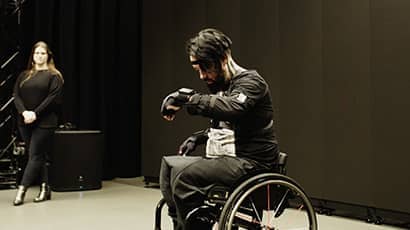
Technology used widely in entertainment and health sectors is failing disabled people, study finds
A major technology used widely across the entertainment and healthcare sectors is failing to serve disabled people, a new study led by UWE Bristol has revealed.

26 October 2026
UWE Bristol professor brings Cary Grant home to Bristol in celebration of the city's film heritage
Charlotte Crofts, Professor of Cinema Arts, will welcome audiences from across the UK to Bristol for the seventh edition of the Cary Comes Home Festival.
22 October 2026
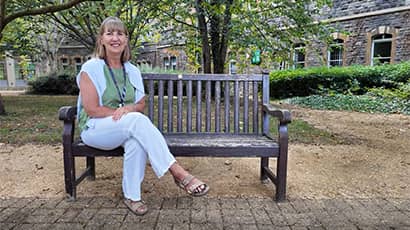
Former students’ stories celebrate 30 years of UWE Bristol’s Glenside campus
UWE Bristol alumni share their story and connection to Glenside campus marking Glenside's 30th Anniversary.

20 October 2026
City of Bristol College principal appointed visiting professor at UWE Bristol
UWE Bristol has appointed Julia Gray, Principal and Chief Executive of City of Bristol College, as a visiting professor.
08 October 2026
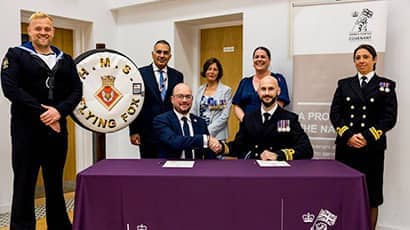
UWE Bristol signs Armed Forces Covenant
UWE Bristol has signed the Armed Forces Covenant (AFC) in recognition of the challenges faced by service and ex-service personnel and their families.

08 October 2026
Innovative new app created to help stroke patients with rehabilitation
A UWE Bristol researcher led a project to develop an innovative new app to help patients recover after having a stroke.

29 September 2026
Findings from study suggest Government guidance on smartphones in schools may not go far enough
A Government decision to leave interpretation of new smartphone policy guidance to individual schools has been questioned by new research from UWE Bristol academics.
24 September 2026
Professor receives international honour during commemorative event for historical Ethiopian diplomat
A UWE Bristol professor whose research has highlighted Bath's connections with Ethiopia's history has received an international honour recognising his work.
You may also be interested in
Find an expert
Media contacts are invited to check out the vast range of subjects where UWE Bristol can offer up expert commentary.

Media enquiries
Enquiries related to news releases and press and contacts for the media team.

Money and finance
Advice for students on managing your money: including budgeting tools, dealing with debt, part-time work and money saving tips.

Enriching culture, place and community
We collaborate with national policymakers, local authorities, educators and industry to improve public spaces, infrastructure, and communities.