
Sustainable, equitable futures
Authors: Dr Damian Whittard, Professor of Economic and Social Policy, and Dr Peter Bradley, Professor of Sustainable Economy.
The transition to a green economy presents us with a huge opportunity. But it also poses a fundamental challenge: how do we ensure that this transition is fair and just for everyone?
The green economy promises transformation, but it risks replicating the same old inequalities. The winners are usually those already in positions of power.
Take the labour market's 10% gender pay gap. It carries straight into green jobs. Ethnic groups also face barriers to accessing these roles and then earn less once they break through.
Our planet's life-support systems are failing, driving up living costs and degrading quality of life. This threatens human survival itself.
But here's the catch: you can't save the planet while leaving people behind. You need widespread buy-in, with people who recognise the opportunities and believe they have an equal stake in the change.

"We’re building the evidence base required to bring about economies that embody greater levels of sustainability – at local and global levels."
Dr Damian Whittard and Dr Peter Bradley Professor of Economic and Social Policy and Professor of Sustainable Economy
A systems approach
Our interdisciplinary team of sociologists, psychologists, environmental scientists, geographers and economists deliberately brings diverse insights because siloed thinking won't solve this challenge.
We work across everything from individual behaviour change to macro-policy, collaborating with government departments like the Department for Environment, Food and Rural Affairs, know as Defra, and local authorities like the West of England Combined Authority. Implementation happens locally, but you need systems thinking across the whole supply chain.
The green transition is caught in a classic chicken-and-egg problem: businesses will only shift if there’s consumer demand, but consumers can only demand what's already available. Breaking this cycle requires an understanding of both sides of the equation.
Real-world impact
Our research has led us to found The Brunel Centre, a long-term collaboration between UWE Bristol, the University of Bath, and Futures West. It's all about putting data and research to work by turning insight into action to support inclusive and sustainable growth in the West of England. It's backed by £4.5 million of funding and brings together universities, businesses, and policymakers to address the region's biggest challenges.
Our work is rooted in real-world partnerships: from long-term collaboration with Bristol City Council on sustainable business futures to joint events with fintech firms exploring greener tech infrastructure and national projects with the Central Bank on digital currencies and tax reform. We’re also supporting community-led businesses through Power to Change funding, ensuring the benefits of change are felt on the ground.
The transition to a green economy is still light on solid data. We don't even have a shared definition of a 'green job', let alone reliable data on pay, benefits, or who's accessing these roles. The Brunel Centre will change that by building a real-time, publicly accessible data hub. It's designed to answer urgent questions while remembering that this isn’t just about research. It's about making the transition fair. Because if we're reinforcing existing inequalities, we're not really moving forward.
Breaking new ground
Solving the climate crisis will take more than new technologies. It requires fundamental shifts in how we live, work and consume. That means understanding how to encourage behavioural change in ways that are ethical, inclusive and rooted in people's real lives.
We're also pushing the boundaries of what's possible with data. By carefully and ethically linking anonymised government records, like payroll and employment histories, we’re building a clearer picture of green jobs across different demographics. It's a complex and sensitive task, but it's essential if we want to design a future that truly works for everyone.
The green transition isn't just about saving the planet. It's about reshaping our future, and it won't happen by accident. It takes data, collaboration and the courage to challenge business as usual. We're building that foundation. And we welcome those ready to help shape what comes next.
Contribution to the UN 2030 sustainable development goals
UWE Bristol is proud to align our research to the UN sustainable development goals. This research aligns with the following goals:
You may also be interested in
College of Business and Law
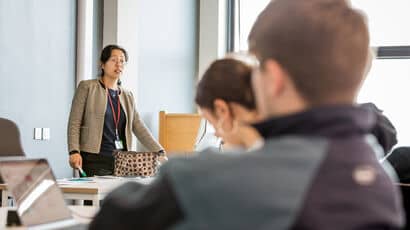
The College of Business and Law comprises Bristol Business School and Bristol Law School who provide a range of undergraduate, postgraduate, higher research and professional courses.

Sustainable Economies Research Group (SERG)
Find out more about the Sustainable Economies Research Group's interdisciplinary research activities.

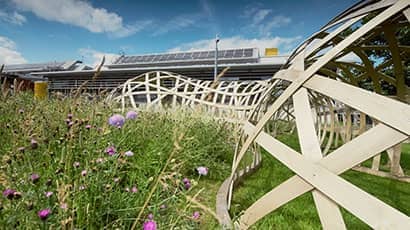
Securing a green, resilient future
We're tackling global challenges by promoting social justice, empowering communities and protecting the environment, helping to make Britain a Clean Energy Superpower.