
Reducing the impact of flooding through community resilience research
Researching flooding beyond infrastructure
Flooding is one of the most urgent and complex challenges facing the UK and the world. Climate change is intensifying flood frequency and severity, placing millions of homes, businesses and communities at risk.
At UWE Bristol, researchers are tackling this challenge head-on – not only through engineering and policy, but by reshaping understanding about how communities understand, remember and live with flood risk.
Traditional flood management has focused on defences, drainage and response systems. While vital, these approaches alone are not enough. UWE Bristol researchers have shown that social memory, culture and local knowledge play a critical role in how communities prepare for, respond to and recover from flooding.

Sustainable Flood Memories
The Sustainable Flood Memories programme (2011–2015, with ongoing impact) is a landmark example of this approach. Funded through two ESRC awards – a Standard Grant and a Knowledge Exchange Grant – the project explored how communities affected by severe flooding develop “watery senses of place”: shared memories, stories and practices that shape resilience over time.
Focusing on communities affected by the 2007 River Severn floods in Gloucestershire, the research asked a simple but powerful question: do communities with flood histories cope better with future flood risk?
The findings were clear. Communities that retained and shared memories of past floods – through stories, photographs, physical markers, archives and digital media – were often better prepared both practically and psychologically. Flood memory, when sustained, becomes a form of community capital.
From memory to action
Crucially, this research did not treat memory as passive or nostalgic. Instead, it demonstrated how flood memories can be actively supported and mobilised by communities, local authorities and national agencies.
The project worked closely with partners including the Environment Agency, local government and civil society organisations, translating academic insight into practical guidance for flood risk management and community engagement.
Key outputs include the highly cited paper Sustainable Flood Memories, Lay Knowledges and the Development of Community Resilience to Future Flood Risk (McEwen et al., 2016), now recognised internationally as a foundational contribution to flood resilience research.
Creative methods and knowledge exchange
A defining feature of UWE Bristol’s flooding research is its innovative use of creative and participatory methods. Building on the Sustainable Flood Memories work, researchers developed digital storytelling projects, community archives and performance-based approaches to knowledge exchange.
Through initiatives supported by the College of Arts, Technology and Environment, flood experiences were translated into digital stories and drama performances, enabling communities to articulate risk, loss and adaptation in their own voices. These methods have since informed wider projects such as the FuturesLab performances – part of the International Climate Collaboratorium project, where water insecurity and climate adaptation are explored through live scripts – crafted from ‘less heard’ community voices and audience interaction.
This work demonstrates how arts-based research can deepen engagement, broaden participation and make climate risk, its impacts and possible adaptive strategies tangible and share-able within and between at-risk communities.
Shaping policy and national practice
The impact of this research extends well beyond academia. In 2025, Sustainable Flood Memories was selected as a DEFRA Flood and Coastal Erosion Risk Management (FCERM) case study, evidencing direct influence on national policy thinking around community resilience and adaptation.
UWE Bristol researchers have also contributed to:
- Drafting a British Standard for flood resilience
- Advisory work for BBC Radio 4 programming on flooding
- National and international knowledge exchange via UNDRR and PreventionWeb
These contributions reflect UWE Bristol’s ability to bridge research, policy and practice – shaping how flood resilience is understood at different scales.
A platform for ongoing innovation
Sustainable Flood Memories is part of a broader portfolio of flood and resilience research at UWE Bristol, including projects focused on:
- Business flood resilience (SESAME – EPSRC funded, Environment Agency award-winning) The role of civil agency, society in climate adaptation to weather extremes (CASCADE-NET – ESRC funded)
- Climate change, water insecurity and performance-led engagement to promote place-based adaptation (Climate Collaboratorium – ESRC-funded; The Rivermaids – UWE Bristol funded)
- Together, these projects position UWE Bristol as a national and international leader in people-centred flood resilience research.
The Rivermaids podcast episode
Why this research matters
As climate change accelerates, some towns may face unthinkable futures, including partial relocation or abandonment. UWE Bristol’s research shows that resilience is not only about walls and warnings, but about memory, meaning and community capacity.
By valuing local knowledge, embracing creative methods and influencing policy, this work demonstrates how universities can play a critical role in securing a greener, more resilient future.
Under the RISE agenda, UWE Bristol continues to lead research that is ambitious, inclusive and grounded in real-world impact, helping communities not just survive flooding, but adapt, endure and thrive.
Find out more about the work we are doing, and how you can get involved.
Contribution to the UN 2030 sustainable development goals
UWE Bristol is proud to align our research to the UN sustainable development goals. This research aligns with the following goals:

You may also be interested in
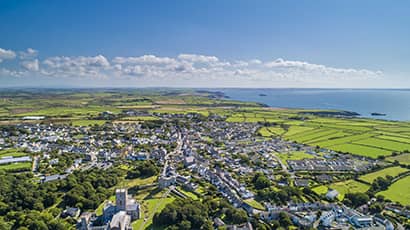
Centre for Environment, Society and Resilience (CESR)
The Centre for Environment, Society and Resilience (CESR) aims to deliver world-class interdisciplinary research across all environmental issues that contributes to creating a more resilient natural and human environment.
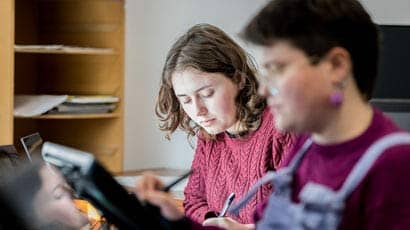
College of Arts, Technology and Environment
With over 12,000 students and 750 staff, our interdisciplinary approach to teaching, research and partnerships creates new opportunities for our students, our staff and the communities we serve.
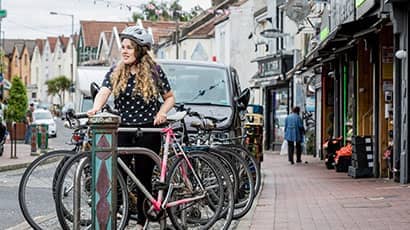
Enriching culture, place and community
We collaborate with national policymakers, local authorities, educators and industry to improve public spaces, infrastructure, and communities.

Innovation
We’re passionate about taking ideas into solutions that positively impact people, communities and our planet.