
Exposing the hidden labour of motherhood
Isolated, overwhelmed and unheard
Maternity leave is often misrepresented as a time of rest. In reality, it is labour – unpaid, unacknowledged and uncompensated labour. During the COVID-19 pandemic, this invisible labour intensified, leaving new mothers isolated, overwhelmed and unheard.
Dr Jenna Pandeli, Dr Chloe Tarrabain and Dr Mahwish Khan – all of whom became mothers during the pandemic – decided to turn their personal journeys into a powerful research project: The Invisible Labour of New Mothers on Maternity Leave in a Global Pandemic. Shining a light on the unseen burdens of motherhood, this research from UWE Bristol challenges organisations, policymakers and society to do better for new mothers and working parents.

A personal and collective study
A personal project from the beginning, the team combined auto-ethnographic accounts of their own experiences with interviews from 13 women who had babies in 2020. What they found was striking: the pandemic did not create these challenges, it magnified them. Exposing the structural inequalities that have long shaped maternity leave.
The concept of “invisible work,” first coined by sociologist Arlene Kaplan Daniels, became central. Invisible work refers to the hidden, unpaid labour that sustains families and communities but is rarely recognised. For new mothers during the pandemic, this work fell into three interconnected areas:
Emotional and mental work
Coping with grief over “stolen moments” missed family visits, cancelled celebrations and absent support networks - while carrying the mental load of constant planning and worry about health and safety.
Physical work and self-advocacy
With professional and social support networks severed, mothers shouldered all physical labour alone. They also had to fight to be heard in healthcare settings, often facing dismissal or ‘gaslighting’ when raising concerns.
Managing societal expectations
Isolation amplified the pressure to be the ‘perfect mother.’ Conflicting messages about breastfeeding, screen time and returning to work left many women feeling guilt, shame and burnout.
Knowledge exchange in action
Findings from the project were shared widely, so far they have featured in:
A dedicated conference stream at the 17th Equality, Diversity and Inclusion Conference in Seville, chaired by UWE Bristol academics; a book chapter, Navigating Vulnerability and Resilience, documenting pregnant women’s experiences during COVID-19; and a podcast episode in UWE Bristol’s Future Impact series, amplifying the voices of mothers and connecting research to practice.
This visibility has led to invitations into international networks, including the Council for the Advancement of Career-Parental Care Integration, where UWE Bristol researchers collaborate with academics worldwide on motherhood and work.
Shifting the burden
The research makes one point clear: the responsibility for change should not fall on mothers alone. Instead, organisations, governments and society must act.
For organisations, employers must recognise that returning to work after maternity leave is not a simple reset. Tailored, flexible return-to-work plans, mental health support and mindful language are essential. Phrases like “enjoy your holiday” trivialise the reality of maternity leave and must be avoided.
In society a broader cultural shift is needed to validate women’s experiences and confront systemic issues, particularly in healthcare where women’s concerns are too often dismissed.
For the mothers themselves. the research offers solidarity. It encourages mothers to be less self-critical, to trust their choices and to support one another. Motherhood is not about perfection – it is about resilience, community and care.
Driving change through research
Through innovative platforms such as podcasts and digital storytelling, UWE Bristol researchers validated and amplified the experiences of mothers to inspire change. This important work challenges entrenched social norms and inequalities in our society, helping to shape inclusive workplaces and more resilient and sustainable communities for all.
Contribution to the UN 2030 sustainable development goals
UWE Bristol is proud to align our research to the UN sustainable development goals. This research aligns with the following goals:
You may also be interested in
College of Business and Law
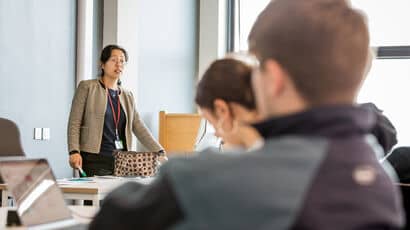
The College of Business and Law comprises Bristol Business School and Bristol Law School who provide a range of undergraduate, postgraduate, higher research and professional courses.

Bristol Leadership and Change Centre (BLCC)
At Bristol Leadership and Change Centre (BLCC), we explore the ways in which change is mobilised and sustained in complex and uncertain environments.
Enriching culture, place and community
We collaborate with national policymakers, local authorities, educators and industry to improve public spaces, infrastructure, and communities.
Research
Our active, collaborative research community of bold, original thinkers break boundaries, immerse themselves in the now and open the way to new futures.